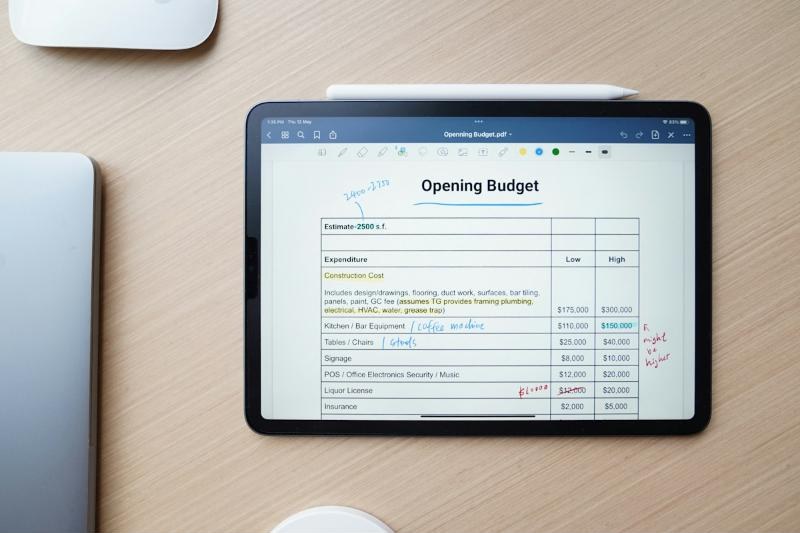
A budget is simply a plan for how you will use your money each month. It helps you cover your bills, avoid unnecessary debt and make steady progress toward goals such as an emergency fund, a home or retirement. Yet many people give up on budgeting because they find it restrictive, time-consuming or hard to follow. The key is to build a budget that fits the way you actually live.
A good budget is not about cutting out everything you enjoy. It is about making intentional choices, so the money you spend reflects your priorities. When you know where your money is going, you can spend with confidence instead of guilt.
Start with your real numbers
Begin by calculating your monthly take-home pay, which is the amount that actually reaches your bank account after taxes and deductions. Then review the last two or three months of bank and credit card statements to see what you really spend. Group your expenses into categories such as housing, utilities, groceries, transportation, insurance, debt payments, entertainment and savings.
Separate your fixed expenses, like rent and car payments, from variable expenses, like dining out and shopping. Fixed costs are harder to change quickly, while variable costs are where you have the most flexibility from month to month.
A budget tells your money where to go instead of wondering where it went.
Choose a simple framework
Many people find a percentage-based approach easy to follow. One popular method divides take-home pay into needs, wants and savings, giving you clear limits without tracking every single purchase. Others prefer zero-based budgeting, where every dollar is assigned a job before the month begins. Choose the method that feels most natural to you.
Pay yourself first by setting up automatic transfers to savings and retirement accounts on payday. Treat these contributions like any other bill. Automating savings removes the temptation to spend that money and ensures progress toward your goals happens consistently.
Finally, review your budget regularly. Check your spending every week or two and make a full review at the end of each month. Expect to make adjustments, especially in the first few months. Building in a small cushion for irregular expenses, such as car repairs, gifts and annual subscriptions, will help you stay on track when surprises arise.
The advisors at Finance Advice Path help individuals and families in Buffalo and Western New York create budgets that are simple, realistic and easy to maintain. Contact us for a free consultation.